Starting Afresh

Words by: Angel Tully
Art by: Madeleine Galea 

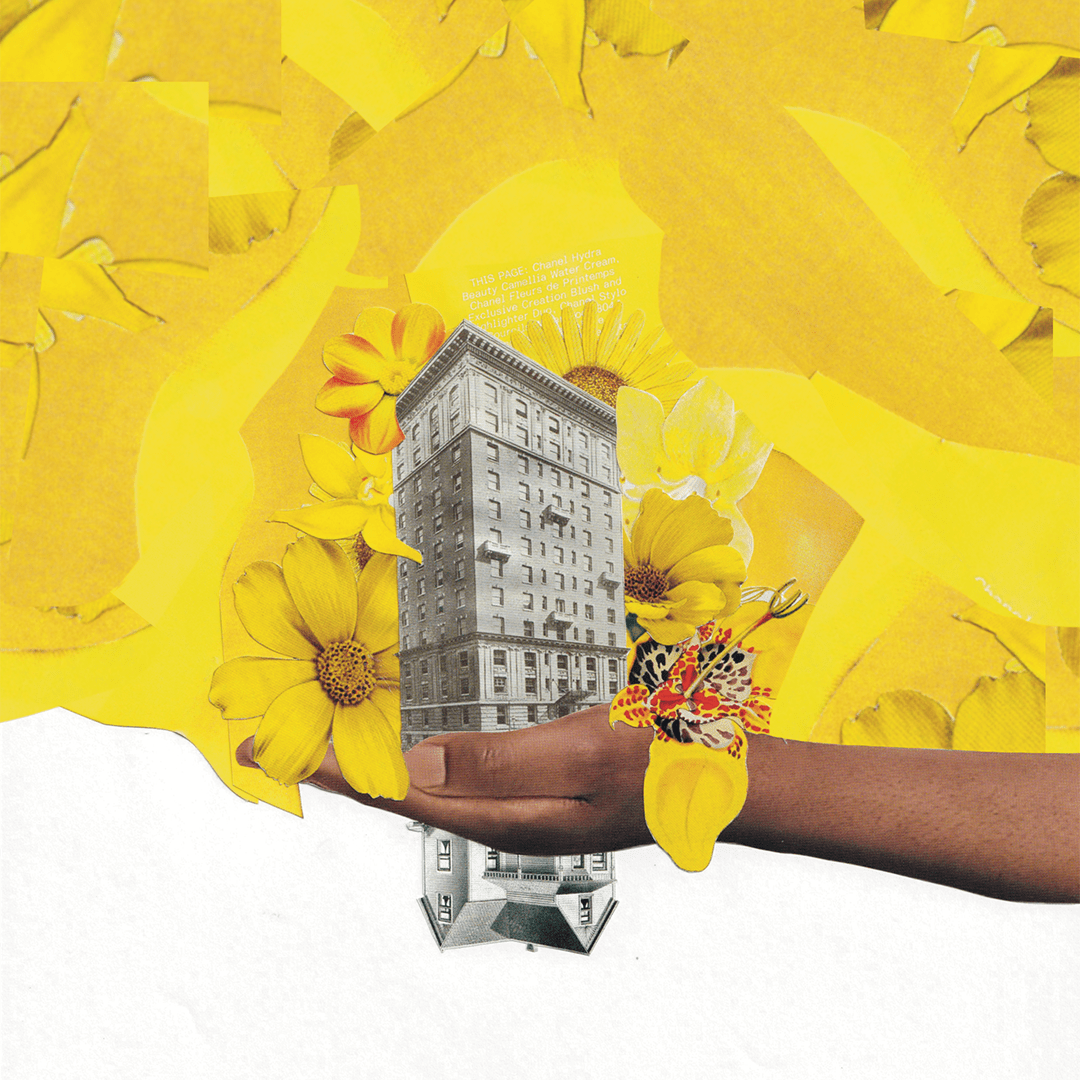
My mother thought she had her whole life ahead of her at 25. She had just married her high-school sweetheart of nearly ten years and was beginning to climb the ranks in the fashion industry while working for Nautica. Moving from a small town in Canada to the big city of Toronto, her life was playing out like a rom-com. But by the time she turned 26, her dream life was crumbling around her. 

Starting Afresh

She Is the Navy Blue

Words by: Caitlin Cefai  
Art by: Madison Marshall 

The sweat. The rush. The crowd. The bounce. The game. It’s full throttle: no protective gear, played in the dead of winter, and known for being a petri dish for vulgarity and violence in its crowd. Aussie Rules is the sport for Australians. It’s as tough as its namesake nation — the soul of a home with over 60,000 years of history. It’s a game for all Australians… 

Well, up until only six years ago, it was actually a game just for men.

She Is the Navy Blue

A Kid’s Dream

Words by: Gabriela Fannia 
Art by: Emilia Bajer

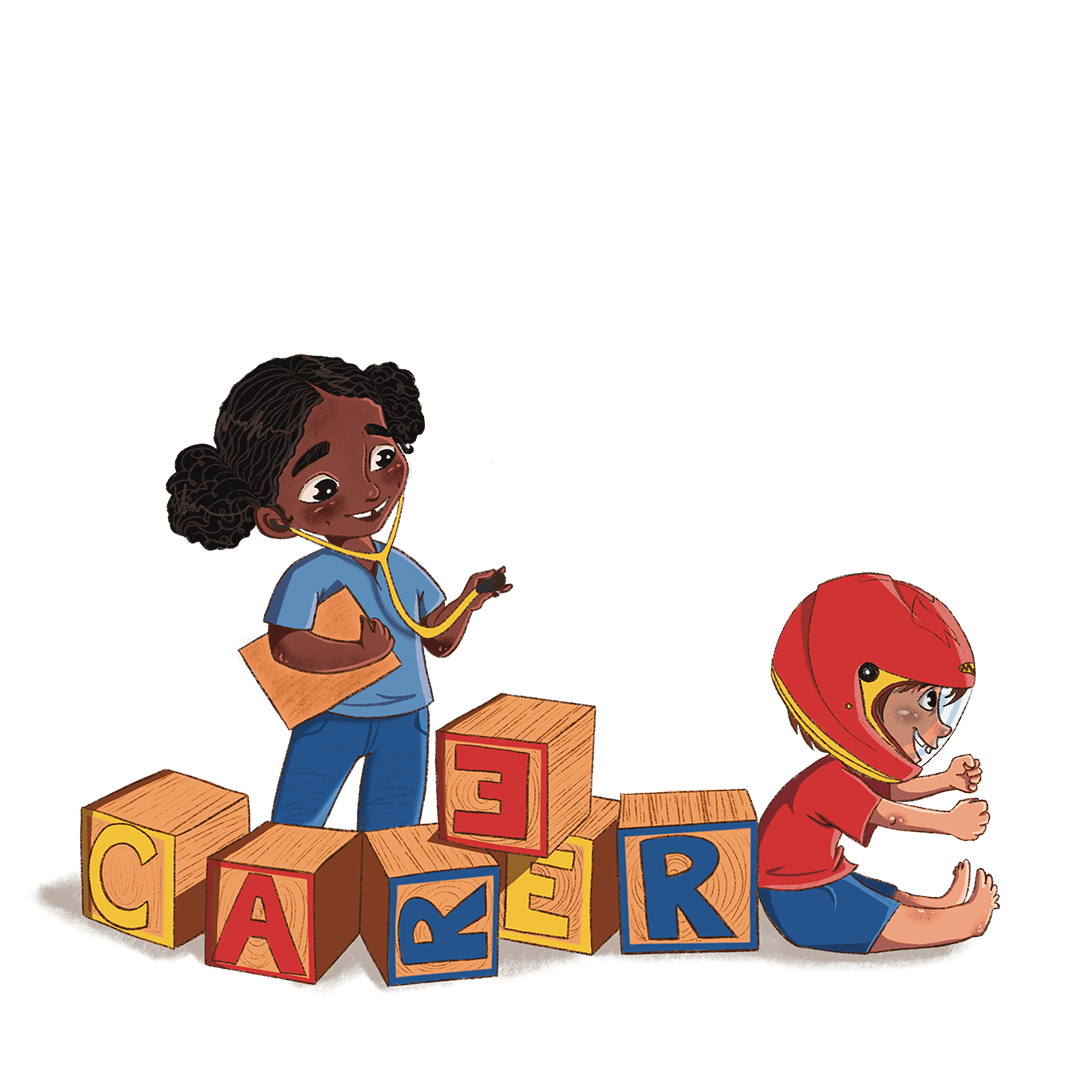
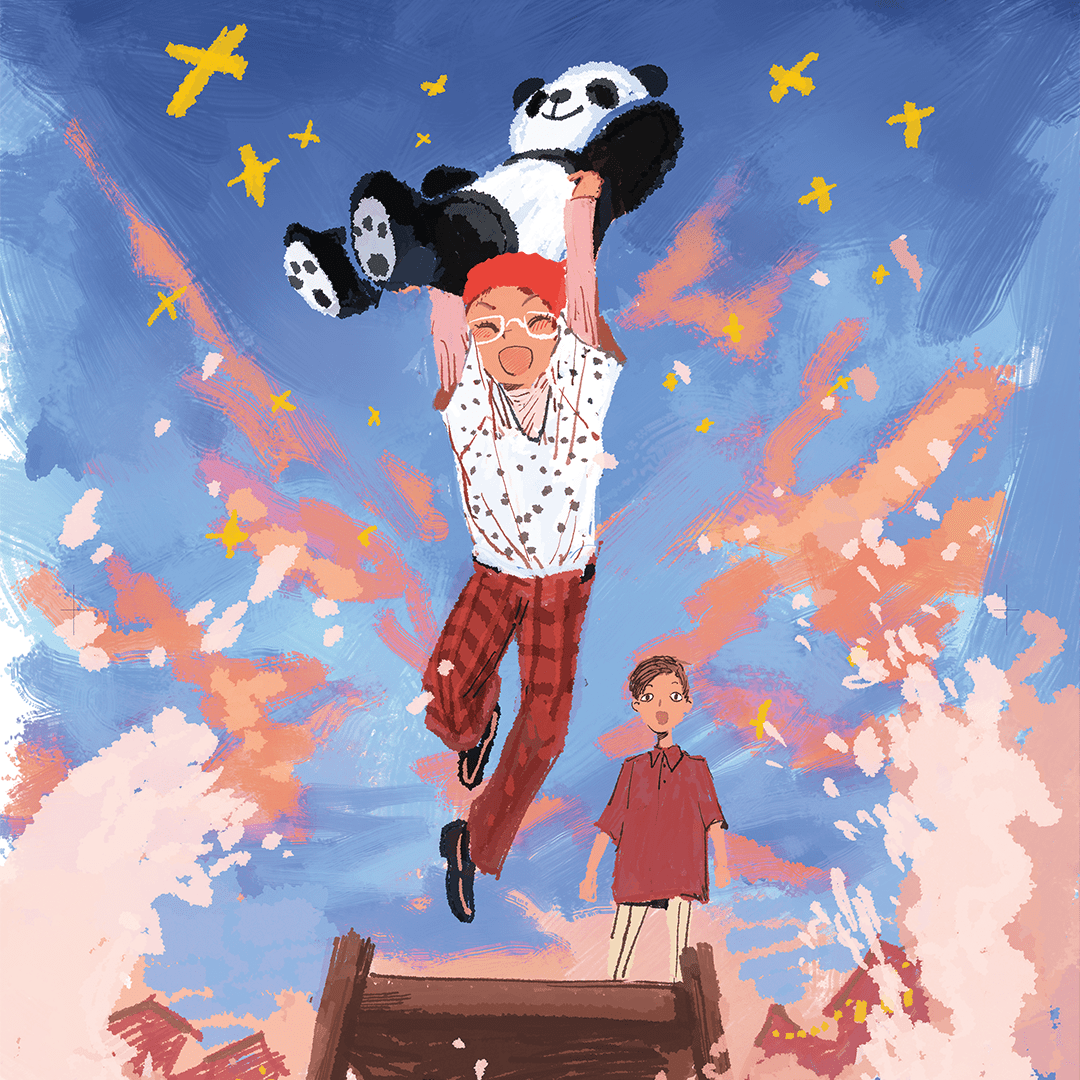
Innocent wishes and boundless imagination, with a touch of hopefulness — that is what childhood dreams are made of. Funny how we don’t remember most things from the past (let alone last Monday’s dinner), yet a childhood dream will always have its place in a precious storage box, tucked inside the mind. 

A Kid’s Dream

Disappointing the Family

Words by: Jackie Zhou
Art by: Mon Ouk

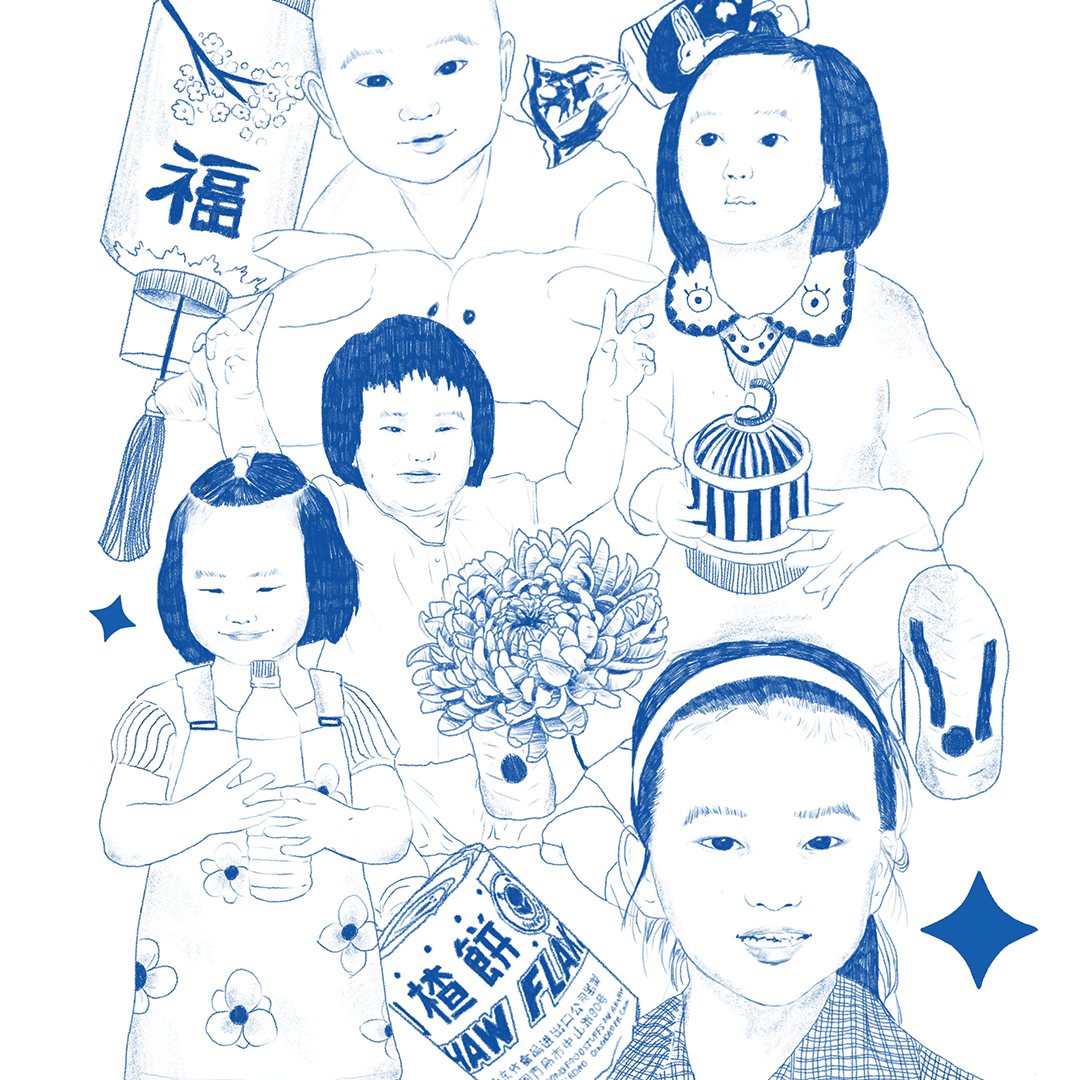
Asian parents.

This pair of words, no matter what background you are from, may have elicited some sort of image or reaction from you; perhaps it’s a ‘helicopter mum’, or a pair of harsh and strict parents who disdain the arts and force their poor second-gen immigrant children to become doctors, lawyers or engineers. Maybe it’s the generational trauma passed down each line on the pedigree chart, a theme we have been seeing a lot in our media, depicting the stories of Asian immigrant families and the dynamic between traumatised parents and cultural freedom-seeking children.

Disappointing the Family

You’ve Got a Friend in Me

Words by: Felice Lok 
Art by: Lauren Gallina

I have two really good friends who I cherish very much. One will FaceTime me for five hours straight as we talk about the minor inconveniences we experienced that day in immaculate detail. The other calls me and we talk about career crises and trips to London over the summer holiday. I try to catch up with them often, but when life gets in the way and we don’t see each other for weeks, it feels like I have a gaping hole in my heart. For me, these two are my biggest soulmates. And this piece is dedicated to all the things I hope will come true for them. 

You’ve Got a Friend in Me

A Case for Spontaneity

Words by: Ilanda Tran 
Art by: John Paul Macatol 

December 2019. I’ve made plans with my friend, Tom, for a very late celebration of my 18th birthday. 18 doesn’t feel all that different from 17 — I am pleased with the prospect of being able to drink, but a little disappointed that I will no longer be able to scream the lyrics to ‘Dancing Queen’ with as much personal conviction.

A Case for Spontaneity

Letters of Hope: For Your Sake

Words by: Andie Perez
Art by: Lauren Gallina

My dear friend,

The last time we saw each other, your feet were perched on the seat as you smoked a cigarette in my car. I tried to hide my grimace as the lights of passing cars played shadows on my face. The tobacco was bold and all-consuming. As I spoke about the turmoil of my schedule, I caught your bored gaze, wandering eyes and pursed lips. You wanted to keep talking about yourself. A heaviness latched inside me as I realised that I was not your friend, but merely a confidant. A sister. A therapist.  

Letters of Hope: For Your Sake

Just Call Me Lucifer

Words by: Kiera Eardley 
Art by: Naiya Sornratanachai

“…as heads is tails / just call me Lucifer / ’cause I’m in need of some restraint”

‘Sympathy for the Devil’ (1968), The Rolling Stones

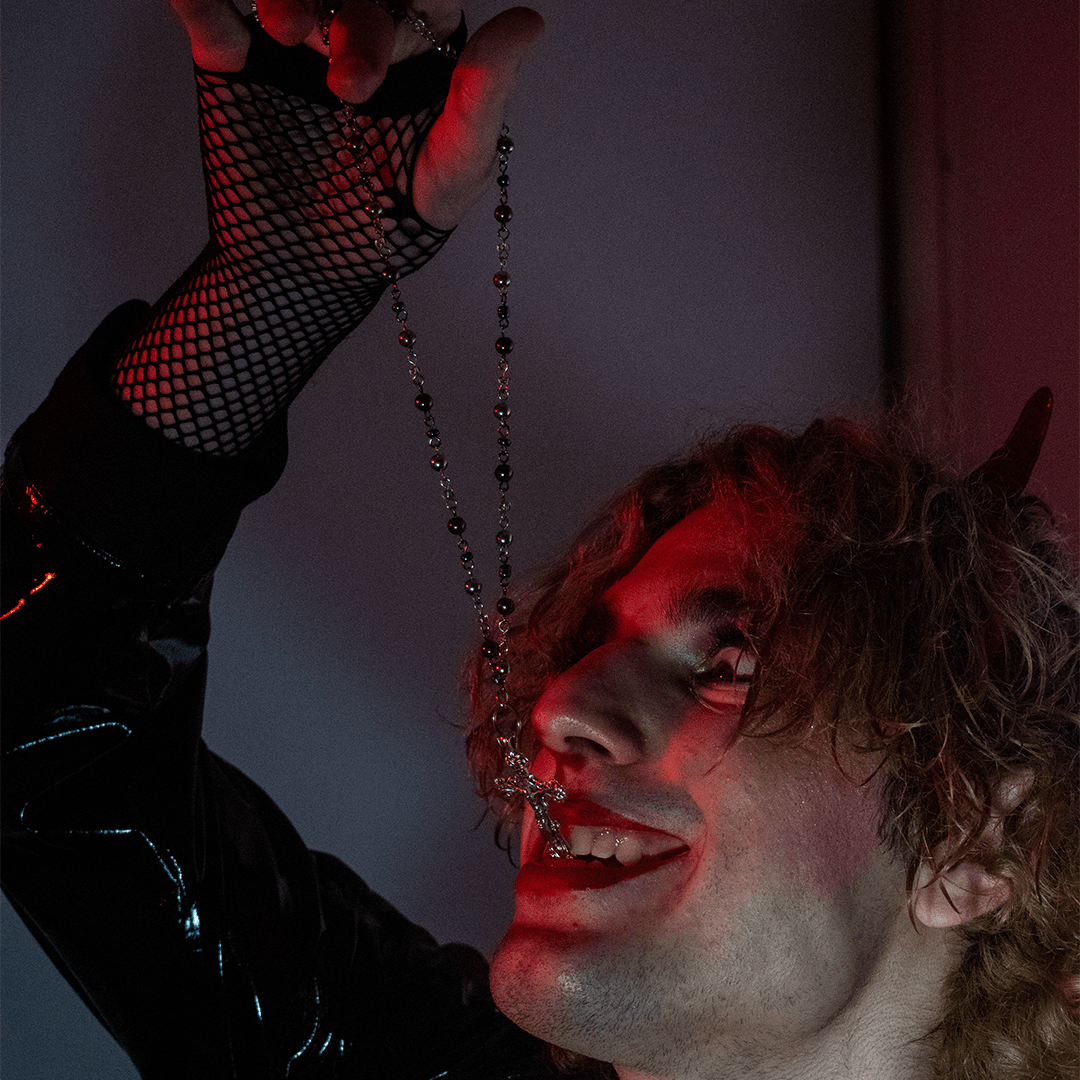
The Rolling Stones have courted controversy for their entire 60-year career. The British rock & roll band was marketed as the anti-establishment antidote to the saccharine Beatles — and they didn’t shy away from living up to that bad-boy image. 

Just Call Me Lucifer

Too Big To Be Cancelled

Words by: Juliette Capomolla
Art by: Carla J. Romana

Whether or not you believe in cancel culture; whether or not you think people, places or things should be ‘cancelled’; whether or not you are yet to find someone who’s actually been ‘cancelled’ — it’s undeniable that there are some meteorically popular sensations that are simply too big to be cancelled. Before you tell me I’m being hyperbolic, hear me out. 

Too Big To Be Cancelled

Reverse-engineering My Thoughts on Plastic Surgery

Words by: Felice Lok
Art by: Natalie Tran

“You see, more often than not, the people who shame women the most are actually women themselves.”

I remember first grappling with the notion of internalised misogyny while preparing for my Year 12 oral exam. My topic was about why all men play a role in eliminating violence against women, and the way I wrote it fixated heavily on how men were always the main perpetrators. While I was rehearsing in my English teacher’s office after school one afternoon, she said something that I didn’t really understand at the time, but has stuck with me ever since. She said:  “you see, more often than not, the people who shame women the most are actually women themselves.”

Reverse-engineering My Thoughts on Plastic Surgery

Table Manners

Words by: Sarah Louise
Art by: Lauren Easter

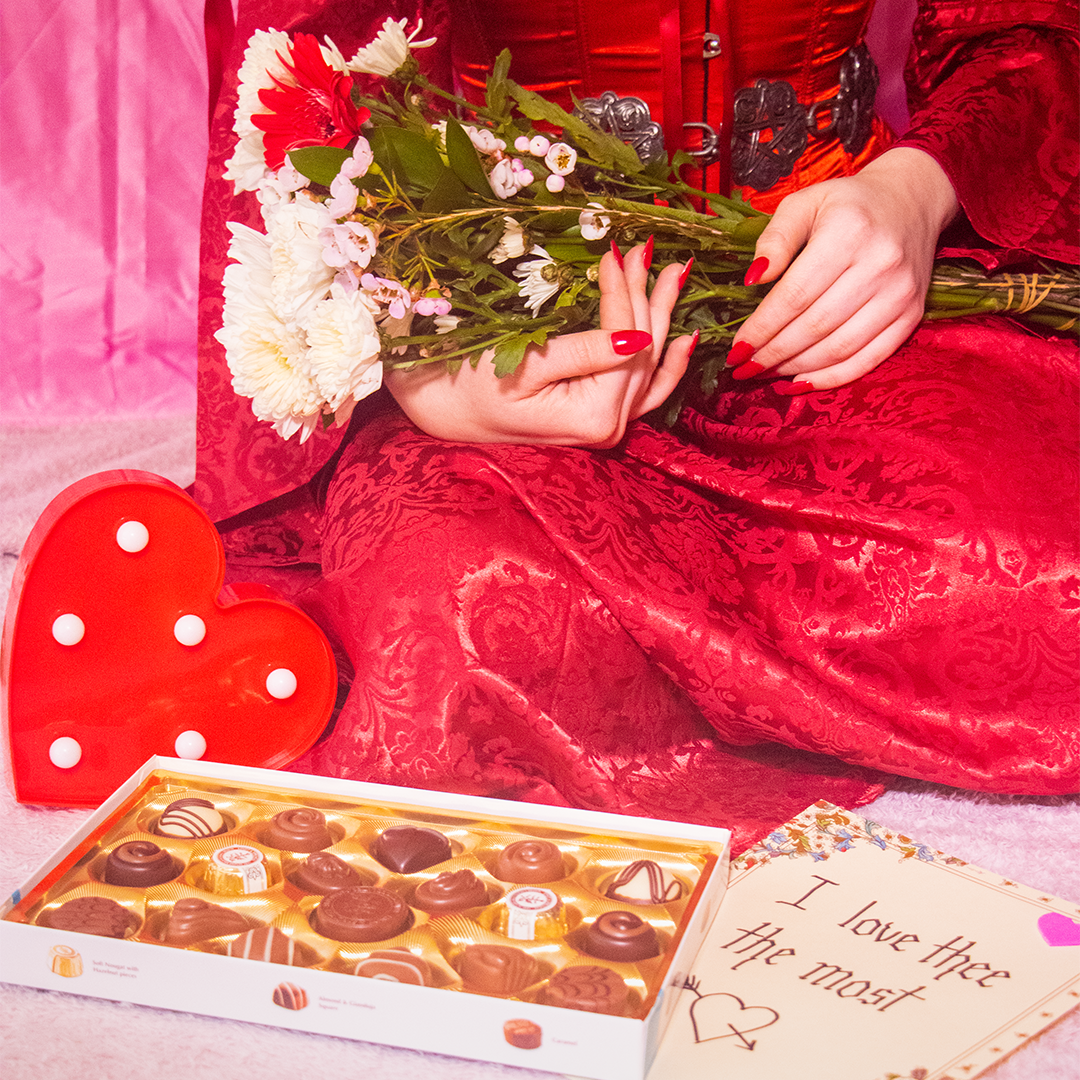
You spot him seated at a small table in the corner. Thank God, he looks like his Hinge profile. The restaurant is dimly lit, so hopefully he won’t notice the pimple that rudely decided to pop up this morning. He stands up to greet you, pulls your chair out and fills your glass with water. Tick. 

Table Manners

How Are You Any Different? 
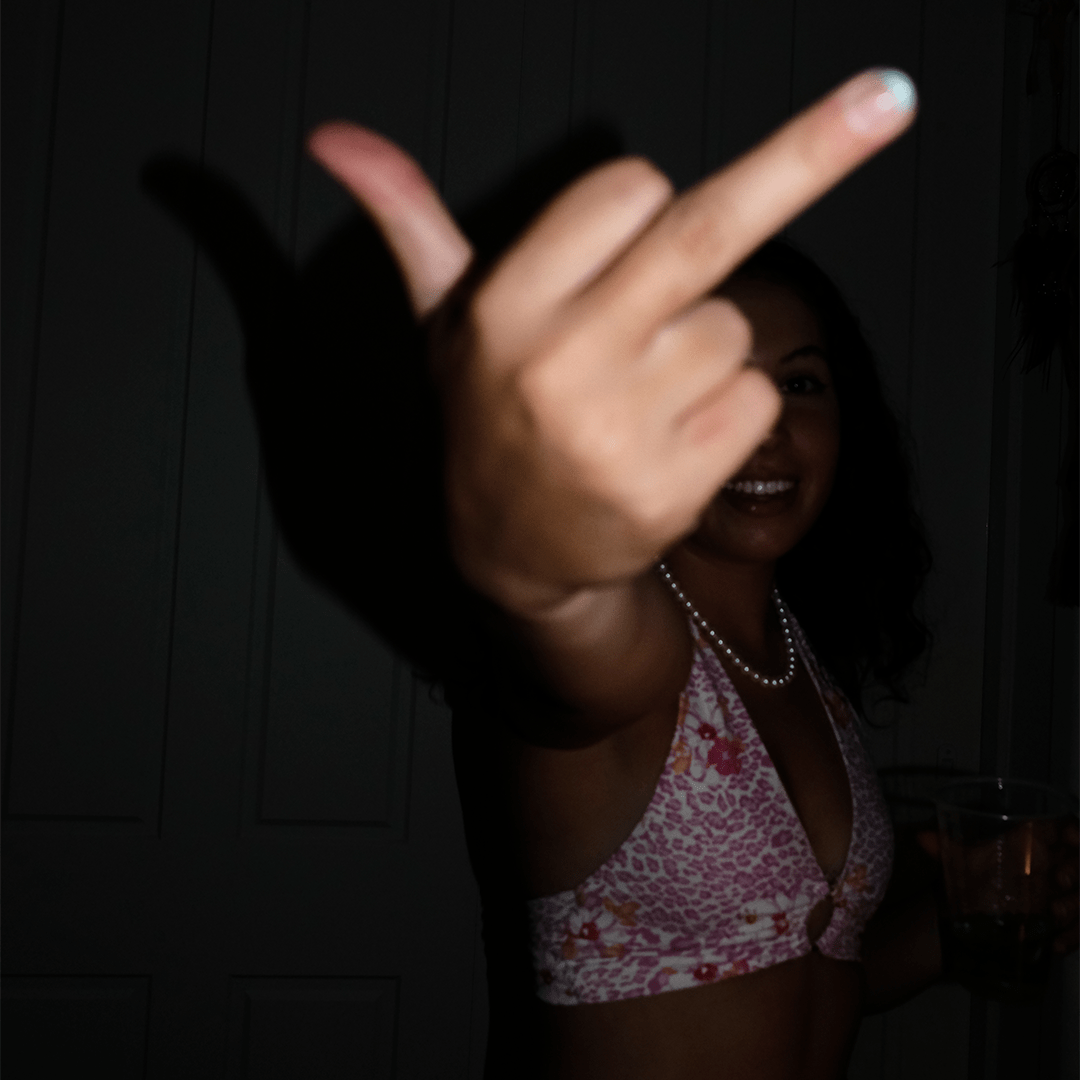
The intersectionality of politics & the significance thereof 

Words and photography by: Zayan Ismail 

The term ‘intersectionality’ was first coined by Kimberlé Crenshaw, an African American woman, in her 1989 paper, ‘Demarginalising the Intersection of Race and Sex’. Intersectionality is a concept in social studies that refers to how different factors such as age, race, ability and class all interact with each other to bring about inequalities. The term still holds true today in a world that has begun to shift under the tides of drastic social change. It is not surprising that Kimberlé came up with the word based upon her own experience, nor is it surprising that the term has been misused, misconstrued and not properly credited over the years since. Her experiences are the sad reality for a woman and person of colour in academia, and it’s the same behaviour we witness in our communities which is built upon discriminatory views formed by our own biases. It is still exactly what Kimberlé warned us about and the marginalisation that she faced when she was immediately sidelined for being too critical and playing into ‘identity politics’. But don’t we all speak from our own experiences and knowledge? This question is where it all began, and how I first came across the conceptual understanding of intersectionality in my sociology classes. 

How Are You Any Different? 
News, Revolutionised: The Daily Aus

Words by: Caitlin Cefai

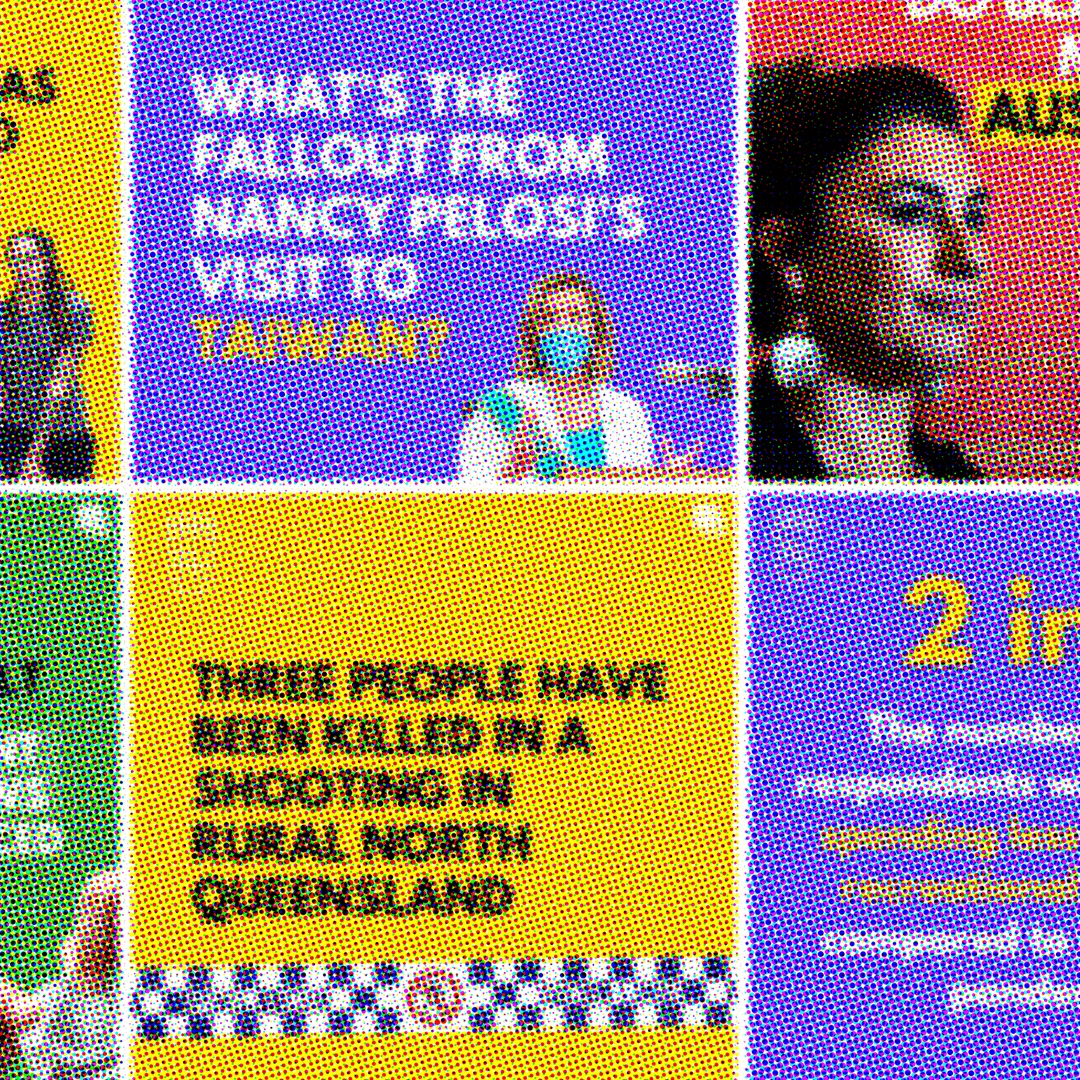
In a world intoxicated by a desire for instantaneous knowledge, social media has become everyone’s favourite vice. The speed at which you can find information on anything no longer relies on flicking through an encyclopaedia. Now, just type a word or two into a search bar and decades of largely unfiltered and unverified websites spew forth from the ghastly underbelly of the internet beast, complete with comments that ensure you’re aware of everybody and anybody’s opinion on what you’re searching. 

News, Revolutionised: The Daily Aus