The importance of Queer history in cinema
Words by: Salma Syafathia
Art by:  Mia Katherine Nguyen and Isaac Gomez
“But what she means to me, a 25-year-old Black woman, means something else. It means hope, it means inspiration, it means possibility, it means history.”
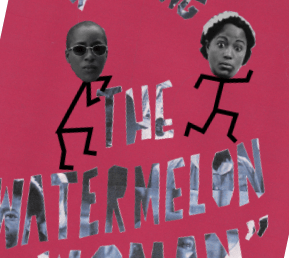
I watched The Watermelon Woman (1996) by Cheryl Dunye with no expectations beyond knowing it was about a Black lesbian filmmaker and released in the ’90s. However, after watching it, I can confidently say it’s one of the best mockumentary-style films I’ve seen in a long time. The film sheds light on issues often ignored by mainstream media and Dunye handles the subject with remarkable creativity and thoughtfulness. As a queer woman from a marginalised background who also loves cinema, this film gave me a deeper appreciation for the importance of queer history in film.
The Watermelon Woman tells the story of Cheryl, an upcoming filmmaker who currently works at a VHS store with her friend, Tamara. From the beginning, Cheryl mentions she wants to make a film about Black women because their stories have never been written. Cheryl then comes across a Black actress from the movie The Plantation Memories, known only as the Watermelon Woman. The rest of the movie follows Cheryl in her journey to uncover the truth about this mysterious woman. Through various interviews with the local queer people in the neighbourhood and searching archives in libraries, Cheryl learns the importance of the history of Black women and queerness in cinema.
Alongside Cheryl’s research on The Watermelon Woman, the film also weaves in themes of romance and friendship, exploring her budding relationship with Diana, a frequent customer at the VHS store, as well as her close bond with her friend Tamara.
The film ends with a strong message from Cheryl as she reflects on the power of representation, emphasising how crucial it is to see someone like herself on and behind the screen. Cheryl talks about how figures like the Watermelon Woman are important to remember and to keep sharing their stories. As an openly queer Black woman during a time when simply being Black was already a struggle, the Watermelon Woman’s presence in the industry became a radical act in itself.
The Watermelon Woman highlights a real issue that has been going on for generations until now. The erasure of Black and queer women in cinema results in a significant loss of representation for those who share those identities. Seeing yourself being reflected on the big screen can be a powerful source of inspiration and shows us that we belong in any story and can take up any space. But that representation needs to extend beyond the character in the movie. We need to acknowledge the people behind those characters, who opened doors for others like them to be seen and heard. Still, the reality remains that Black people and Black women specifically are often undervalued and ignored in the film industry.
Their name and history burned down to ashes and swept from time before the next generation can learn about them.
Dunye uses a clever tactic to make the film more meaningful and memorable. She successfully blends fictional elements into the story, giving a new perspective on a real issue that people have been dealing with for a long time. It becomes a reflection of how real Black actresses from the past are often perceived as fictional characters by some. The lack of information about who they are highlights how they were not seen as real people with talents and lives outside their films, but merely as characters who only exist inside the screen.
Overall, The Watermelon Woman is an incredible film. It shows the real struggle Black women experience in art and life. It further highlights how queer people, especially queer people of colour, have often been erased from history. I truly enjoyed this film and cannot recommend it enough. Many people often overlook the sacrifices that queer individuals made in the past, fighting for visibility, representation and the right to tell their own stories. These struggles paved the way for the diverse range of queer films we have today. By watching The Watermelon Woman, we not only honour that legacy but also learn from Cheryl’s journey and the stories she uncovers.
While I may not fully understand or relate to the experience of being a Black woman, as a queer Asian woman, I deeply recognise the importance of representation in the things we’re passionate about. I admire every woman, Black and/or queer, who has defied history and paved the way for future generations.

