A Culinary Tribute to Leah Chase
Words by:  Anna Marina Andrasi
Art by:  Sean Do
Three iconic dishes. Three defiant moments. One remarkable woman.
Entrée Course: Gumbo Z’Herbes and the Holy Resistance (1960)
“Everyone can cook. If you try. If you put a little love into it” Leah Chase
Leah Chase used to cook up 100 gallons of her iconic Gumbo Z’Herbes every year before Easter. It is a slow-simmered gumbo with up to 12 types of leafy greens. There’s a history of superstition behind the amount; “You can never use an uneven number of greens, it’s considered very unlucky,” Chase says.
She resurrected this once-disappearing dish during a time of racial discrimination in New Orleans. Since then, Leah Chase’s restaurant, Dooky Chase, has served it every Holy Thursday.
The dish evolved into a symbol of survival in the Black community. In 1960, the majority of Black Americans were still denied voting rights and faced violent suppression. Yet, inside a (then) small restaurant, civil rights leaders like Rev Avery Alexander and Oretha Castle Haley were using Leah Chase’s dining hall as a strategic meeting place. While the world outside was burning with injustice and hate, Leah Chase served fresh Gumbo Z’Herbes made with care and love to the activists who were changing the system. In this act of Holy Resistance, Chase made her restaurant a sanctuary.
Main Course: Southern Fried Chicken and The Civil Rights Act (1964)
“You worry too much about what goes into your mouth, and not enough about what comes out of it” Leah Chase
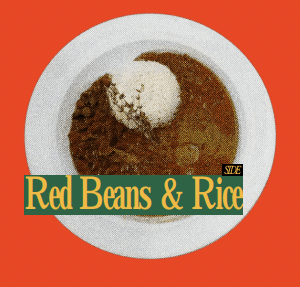
Leah Chase served her Southern fried chicken with red beans and rice. It was delicious, crispy and perfectly Southern, serving as a comfort food for civil rights activists. Martin Luther King Jr. and Thurgood Marshall dined at Dooky Chase’s and enjoyed her iconic meals. Legally, they couldn’t eat together anywhere else, but Leah Chase gave them a spot where they could enjoy good food and discuss topics of resistance.
President Lyndon B. Johnson signed the Civil Rights Act on July 2, 1964. This legislation outlawed discrimination based on race, colour, religion, sex and national origin.
“People fight better on full stomachs” Leah Chase
Chase’s fried chicken became a go-to meal for freedom fighters. It was portable, nourishing and energising for long meetings and protests. More than food, it was a symbol of cultural power. Fried chicken was stereotyped and used to mock Black communities, but Chase reclaimed it with Creole authenticity and made it a staple.
Dessert Course: Lemon Meringue Pie and The President (2008)
Light, tart and topped with perfectly browned peaks of meringue, Leah Chase’s lemon pie was a staple on Dooky Chase’s dessert menu.
During Obama’s presidency, he visited Dooky Chase to celebrate not just the food but the history within its walls. Chase served him this exact menu: Gumbo, Fried Chicken and Lemon Meringue Pie. Funnily enough, when he reached for the hot sauce, she slapped his hand and said “You don’t put hot sauce in my gumbo!”
Serving the first Black President was a full-circle moment for Chase, whose defiance changed the culinary culture and the world.
 Esperanto Magazine