You’ve Got a Friend in Me

Words by: Felice Lok 
Art by: Lauren Gallina

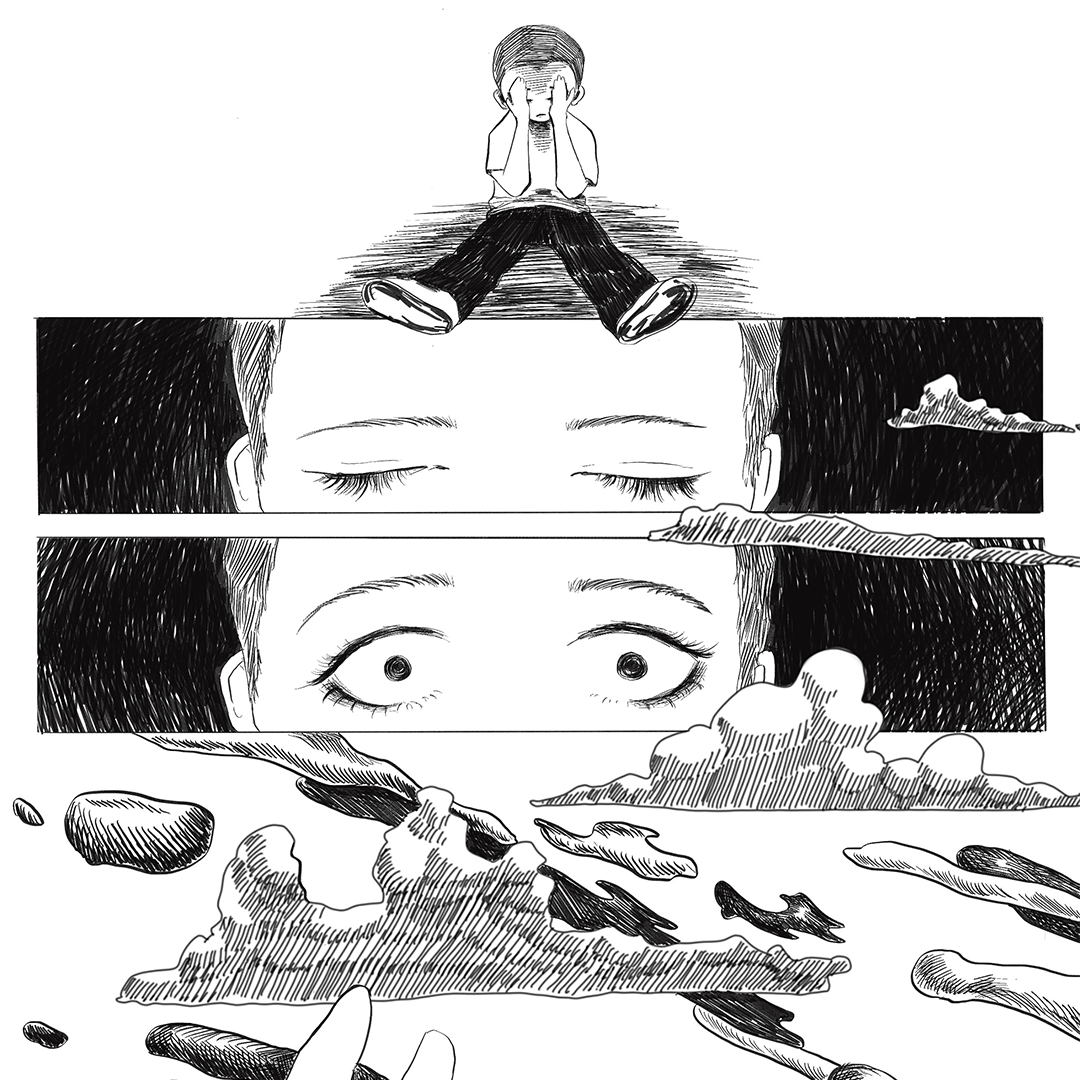
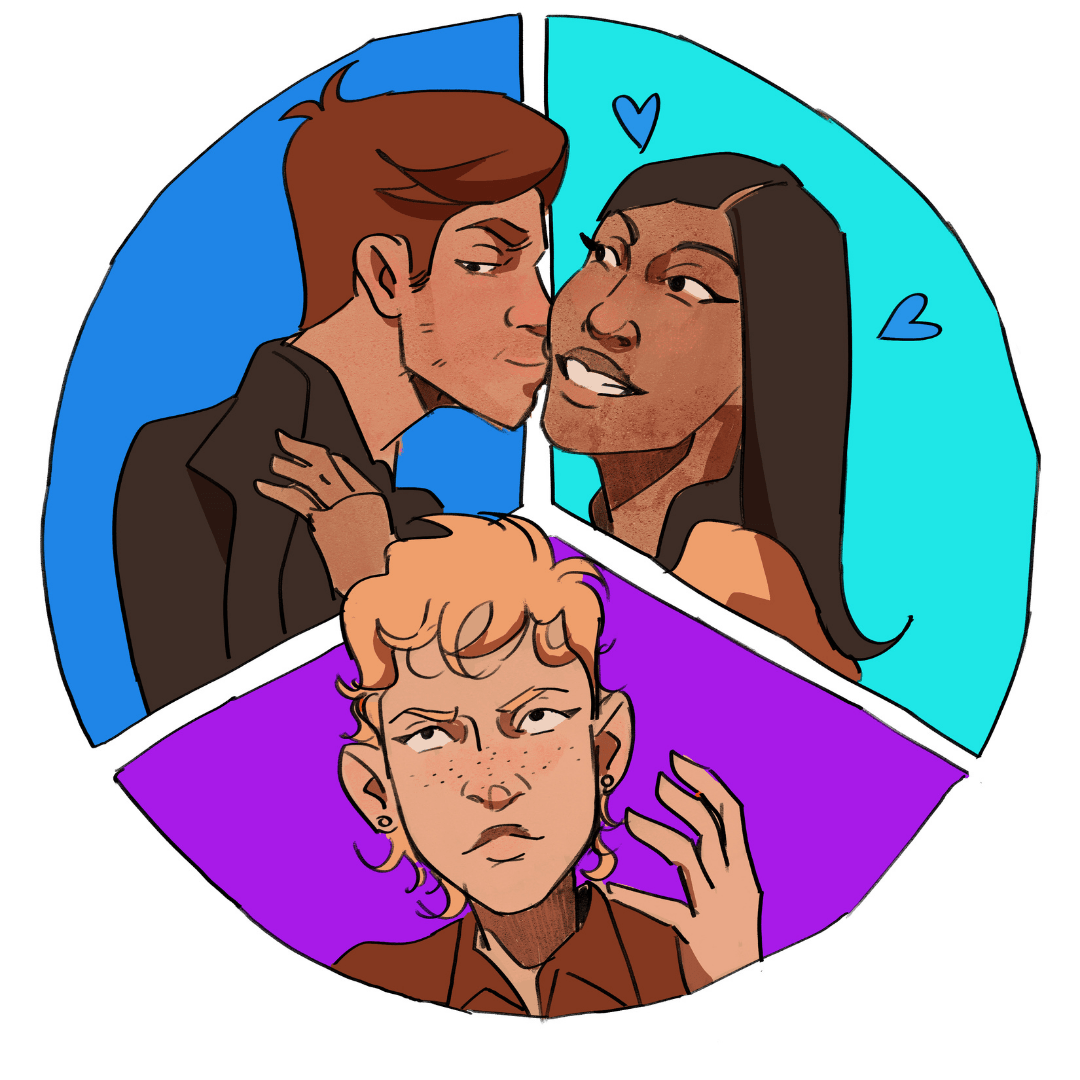
I have two really good friends who I cherish very much. One will FaceTime me for five hours straight as we talk about the minor inconveniences we experienced that day in immaculate detail. The other calls me and we talk about career crises and trips to London over the summer holiday. I try to catch up with them often, but when life gets in the way and we don’t see each other for weeks, it feels like I have a gaping hole in my heart. For me, these two are my biggest soulmates. And this piece is dedicated to all the things I hope will come true for them. 

You’ve Got a Friend in Me

A Case for Spontaneity

Words by: Ilanda Tran 
Art by: John Paul Macatol 

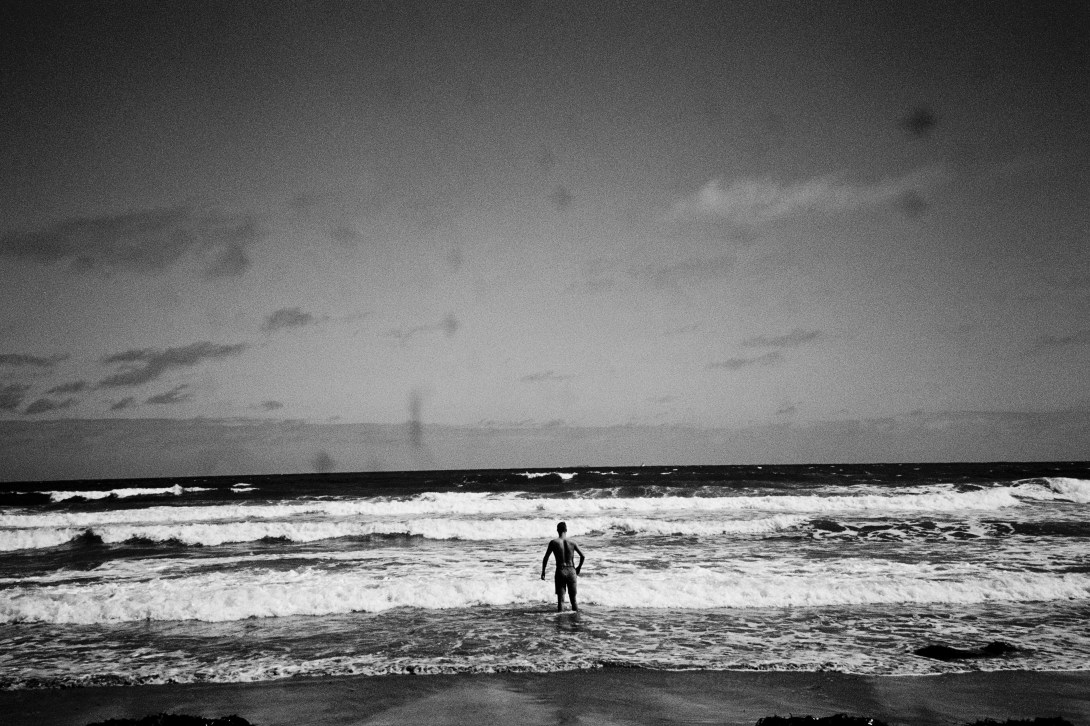
December 2019. I’ve made plans with my friend, Tom, for a very late celebration of my 18th birthday. 18 doesn’t feel all that different from 17 — I am pleased with the prospect of being able to drink, but a little disappointed that I will no longer be able to scream the lyrics to ‘Dancing Queen’ with as much personal conviction.

A Case for Spontaneity

Letters of Hope: For Your Sake

Words by: Andie Perez
Art by: Lauren Gallina

My dear friend,

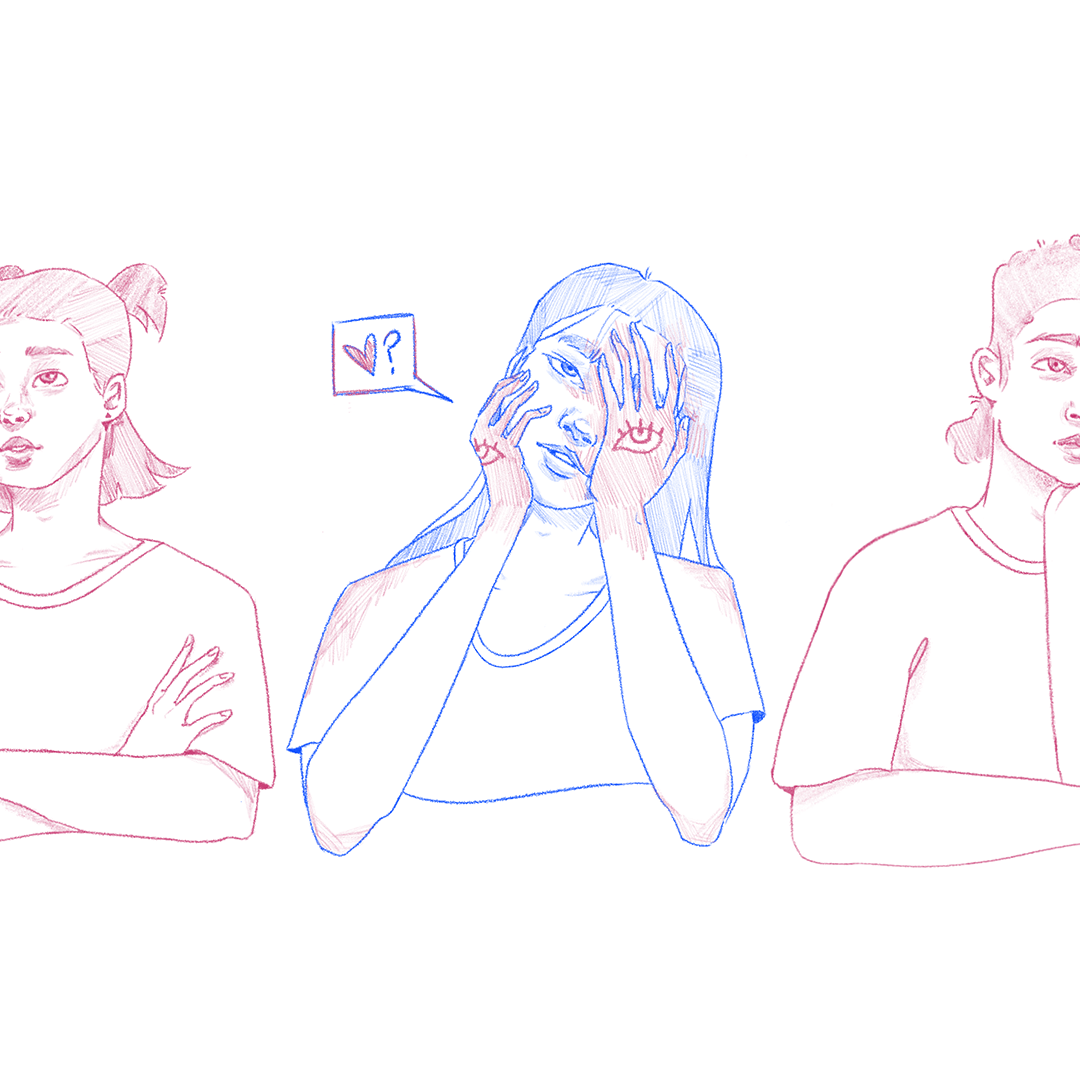
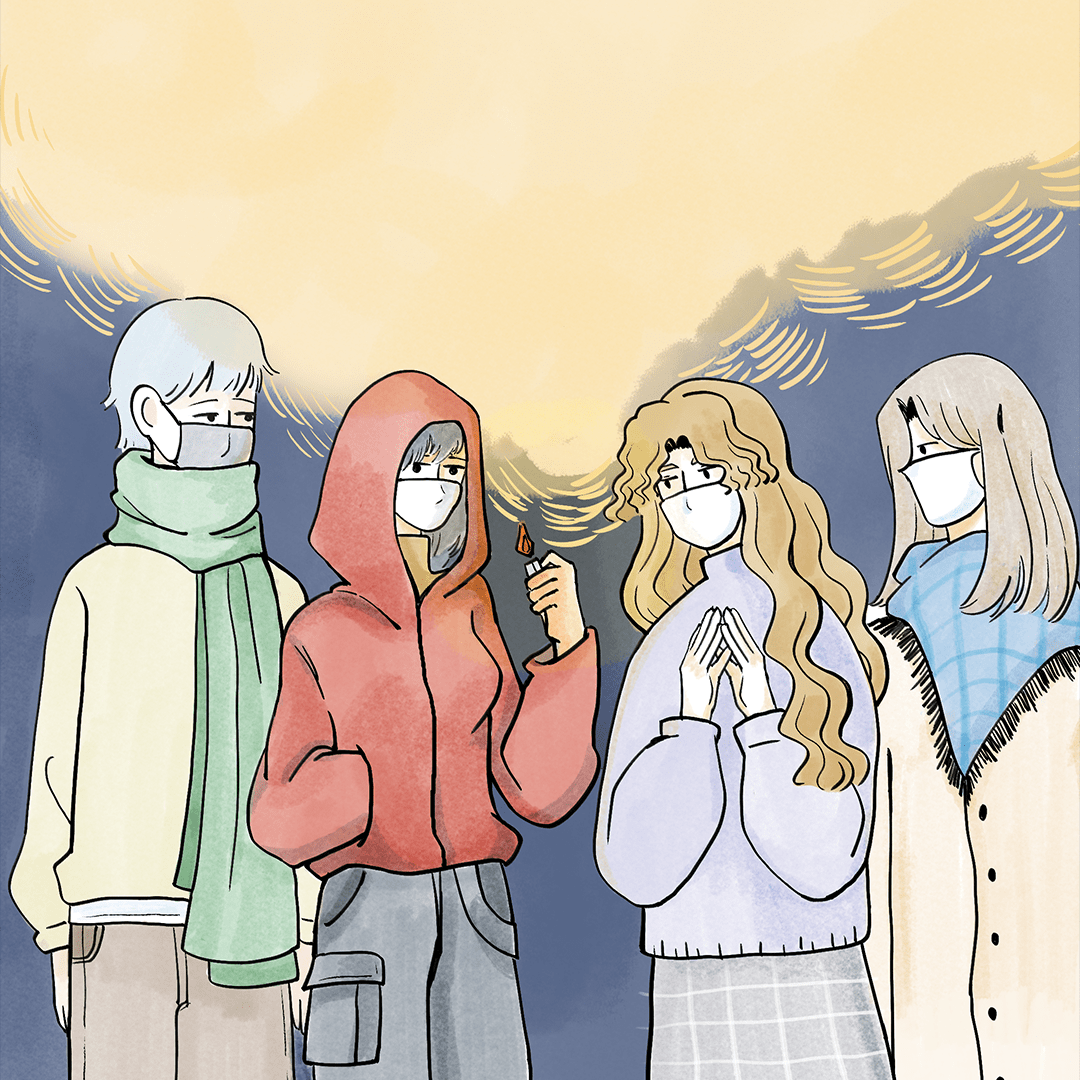
The last time we saw each other, your feet were perched on the seat as you smoked a cigarette in my car. I tried to hide my grimace as the lights of passing cars played shadows on my face. The tobacco was bold and all-consuming. As I spoke about the turmoil of my schedule, I caught your bored gaze, wandering eyes and pursed lips. You wanted to keep talking about yourself. A heaviness latched inside me as I realised that I was not your friend, but merely a confidant. A sister. A therapist.  

Letters of Hope: For Your Sake

Just Call Me Lucifer

Words by: Kiera Eardley 
Art by: Naiya Sornratanachai

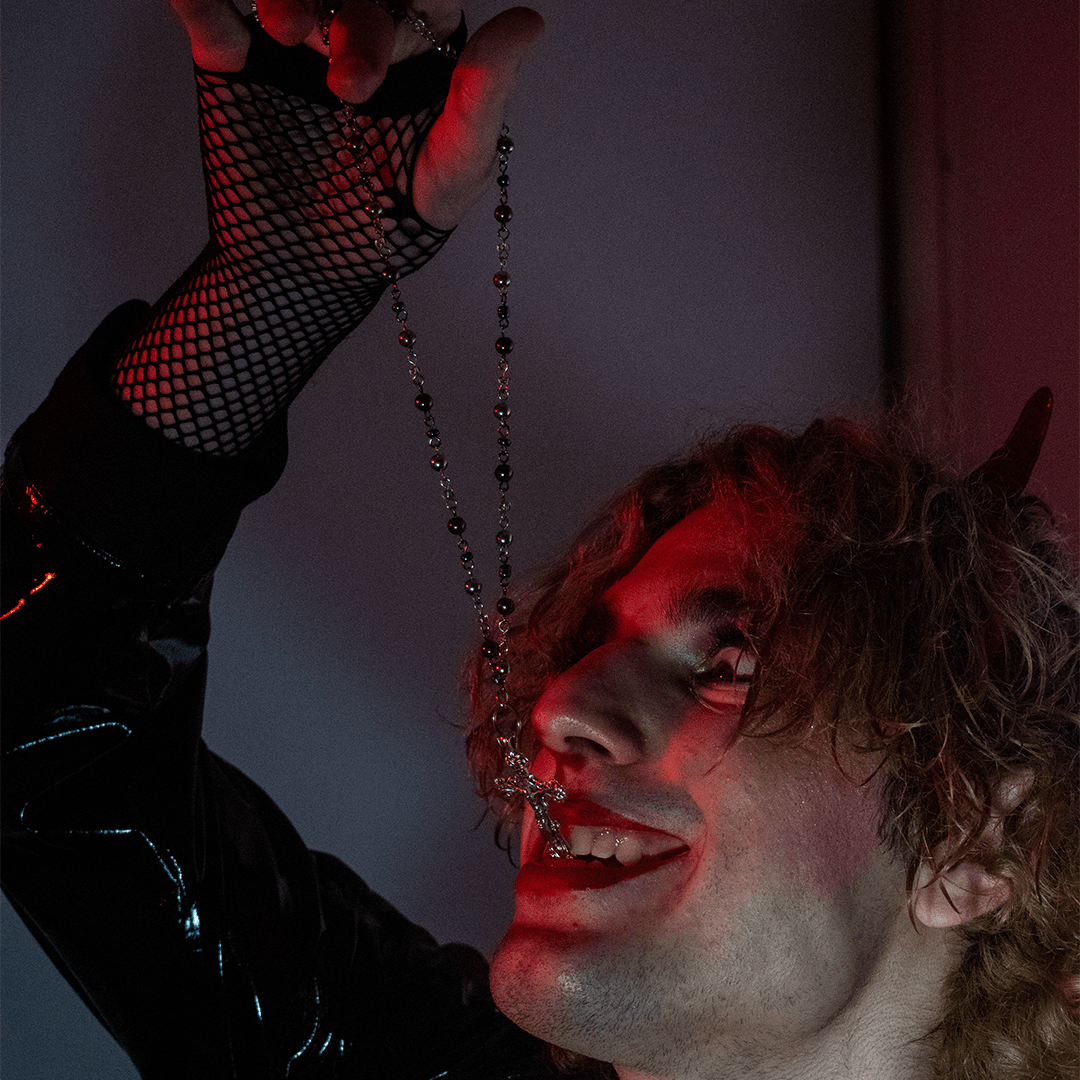
“…as heads is tails / just call me Lucifer / ’cause I’m in need of some restraint”

‘Sympathy for the Devil’ (1968), The Rolling Stones

The Rolling Stones have courted controversy for their entire 60-year career. The British rock & roll band was marketed as the anti-establishment antidote to the saccharine Beatles — and they didn’t shy away from living up to that bad-boy image. 

Just Call Me Lucifer

Environment Woes and Climate-Activist Hoes

Words by: Alice Wright
Art by: Molly Burmeister

In the past year, Australia was ranked dead last for its climate policy, with no current plan in place to work towards transitioning to renewable energy on a national level. No new policies have been announced to reach zero emissions by 2050, and each and every year we watch on as houses are burnt down and flooded, leaving Australians left with little hope for the future. 

Environment Woes and Climate-Activist Hoes

Reverse-engineering My Thoughts on Plastic Surgery

Words by: Felice Lok
Art by: Natalie Tran

“You see, more often than not, the people who shame women the most are actually women themselves.”

I remember first grappling with the notion of internalised misogyny while preparing for my Year 12 oral exam. My topic was about why all men play a role in eliminating violence against women, and the way I wrote it fixated heavily on how men were always the main perpetrators. While I was rehearsing in my English teacher’s office after school one afternoon, she said something that I didn’t really understand at the time, but has stuck with me ever since. She said:  “you see, more often than not, the people who shame women the most are actually women themselves.”

Reverse-engineering My Thoughts on Plastic Surgery

How Are You Any Different? 
The intersectionality of politics & the significance thereof 

Words and photography by: Zayan Ismail 

The term ‘intersectionality’ was first coined by Kimberlé Crenshaw, an African American woman, in her 1989 paper, ‘Demarginalising the Intersection of Race and Sex’. Intersectionality is a concept in social studies that refers to how different factors such as age, race, ability and class all interact with each other to bring about inequalities. The term still holds true today in a world that has begun to shift under the tides of drastic social change. It is not surprising that Kimberlé came up with the word based upon her own experience, nor is it surprising that the term has been misused, misconstrued and not properly credited over the years since. Her experiences are the sad reality for a woman and person of colour in academia, and it’s the same behaviour we witness in our communities which is built upon discriminatory views formed by our own biases. It is still exactly what Kimberlé warned us about and the marginalisation that she faced when she was immediately sidelined for being too critical and playing into ‘identity politics’. But don’t we all speak from our own experiences and knowledge? This question is where it all began, and how I first came across the conceptual understanding of intersectionality in my sociology classes. 

How Are You Any Different? 
Shaken, Not Stirred

Words by: Gabriela Fannia
Art by: Sama Harris

Can you think of a day that you’re not a consumer of news? If you’re a regular browser of Facebook and Instagram (which I’m sure you are), you most definitely are consuming news stories every single day. You may or not may have noticed, but the way stories are presented to us through the digital-scape is… hectic, to say the least. 

Shaken, Not Stirred

Sobriety Sorority 

Words by: Gitika Garg
Art by: Madison Marshall

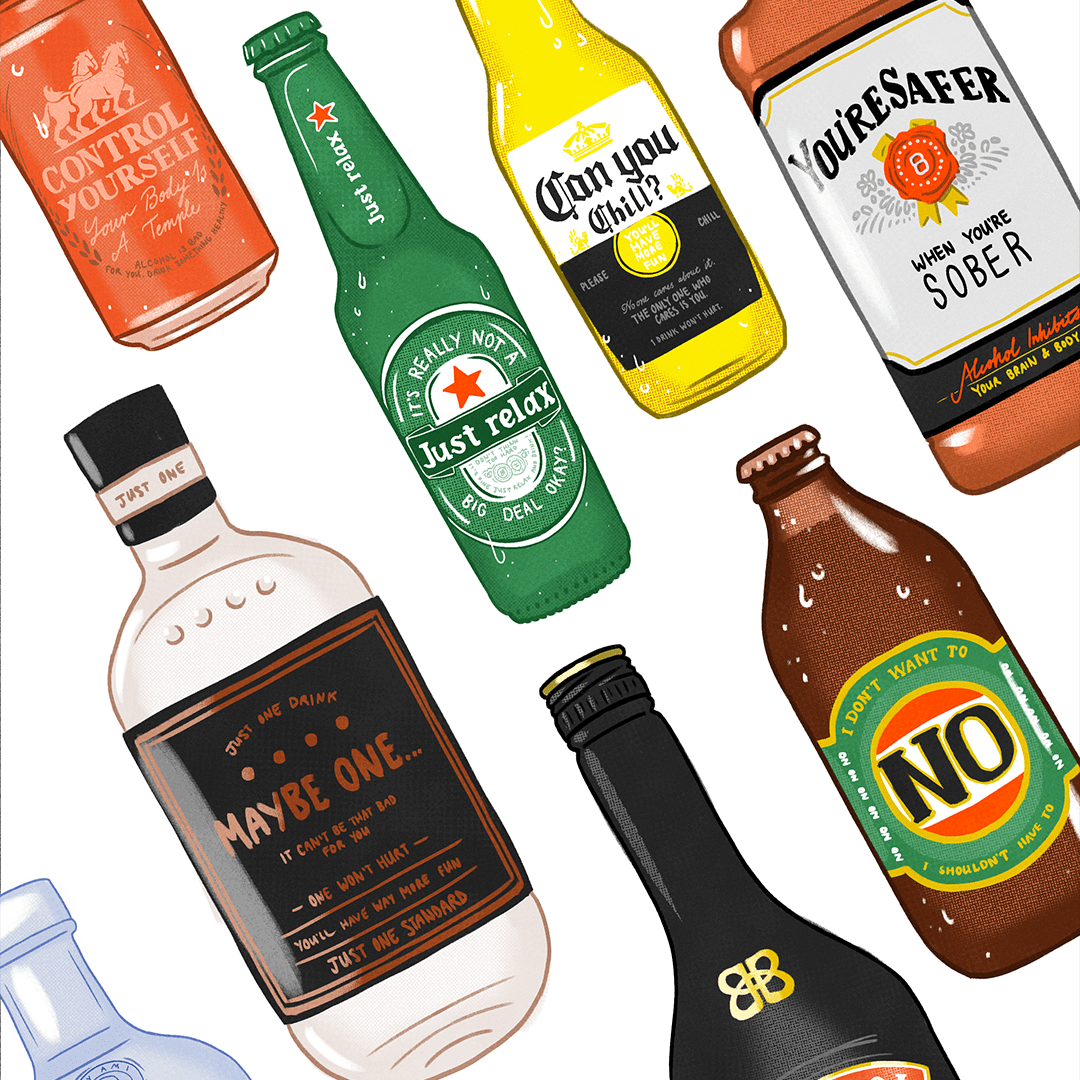
I’ve always been partial to a good night out, and my routine has been somewhat perfected. It goes like this: pres beforehand at someone’s house or occasionally just sculling your drink in an alleyway before waiting in line to enter a bar or club (trashy I know, but don’t tell me you haven’t done it). After several hours of dancing — or what could only be counted as simply head-bopping — nothing beats the 3am Macca’s run that follows. Then comes the impossible quest of finding your Uber on crowded Chapel Street to finally return home, ready to crash. 

Sobriety Sorority 

Will History Repeat Itself? 

Words and photography by: Andie Perez

My Lolo was an illustrator for the largest media company in the Philippines. He would sketch caricatures of people at ease and master different writing styles with a delicate hand. Lolo never believed his art was perfect, only good enough. But he had been satisfied with his position. A mixture of fun and work.

But in 1972, when Lolo was 27 years old, everything changed.

Will History Repeat Itself? 

It’s Time To Put Pills to the Test

Words by: Élodie Ricaud 
Art by: Callum Johnson

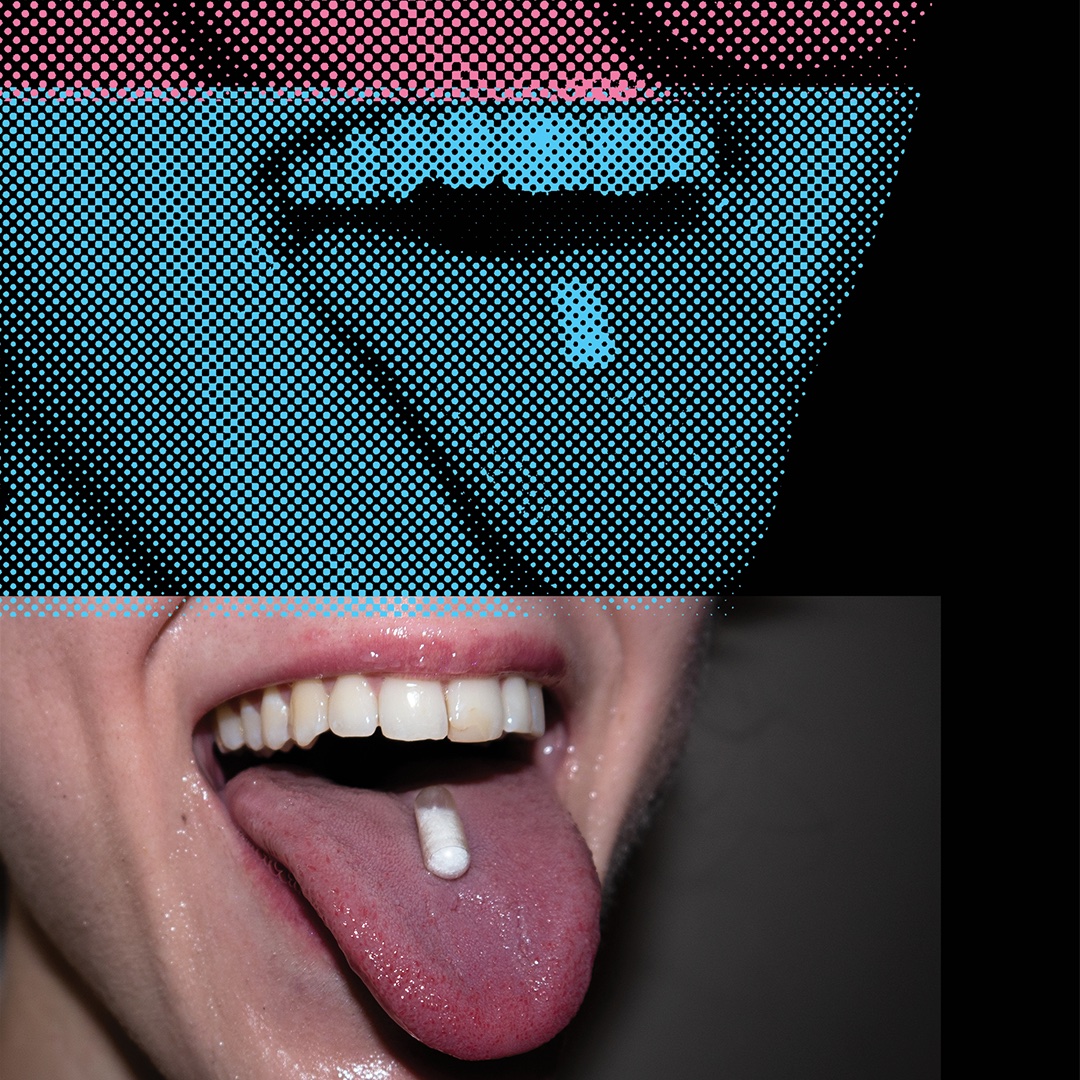
Nothing makes me more energised and giddy than the magical hours spent at a music event. I’m talking festivals, concerts, bush doofs, clubs, bars, gigs or even someone’s over-cramped house party at four in the morning. These settings allow people to dance their hearts out, socialise, celebrate, experiment, make utter fools of themselves (all in good spirit) and temporarily shed the weight of the world — which is the very essence of life. Like most universal rituals of festivity, they are also places where high levels of drug consumption take place, sometimes even as a social prerequisite. 

It’s Time To Put Pills to the Test

Literary Clout

Words by: Caitlin Cefai
Art by: Victoria Loizides

Commuting is one of the most universal human experiences: bumper-to-bumper in early morning traffic jams, stumbling while standing on a moving bus, or the sweat on your brow after a cycle to work. What is even more human is being nosey — and there’s nothing quite like peeking at what other people are reading while sitting on the train. 

What someone is reading can tell us an awful lot about them, and so below we’ve decoded some of the most popular books you might be caught reading, and what it tells other people about you. 

Literary Clout

How I Got Here: A Recipe

Words by: Felice Lok
Art by: L. Ching

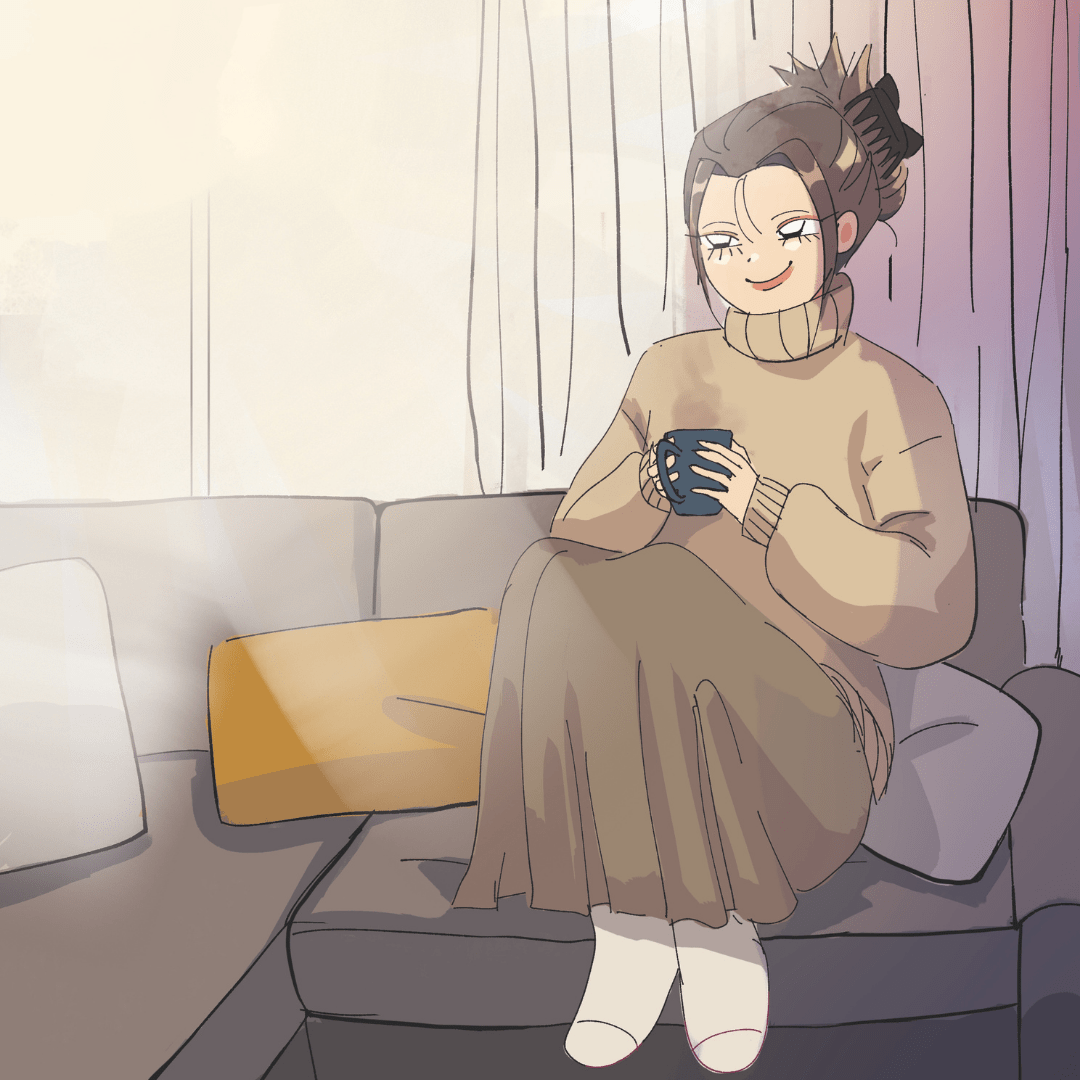
I love writing, but I didn’t always realise I did. It must have begun when my uncle would return from Sydney every Christmas and pull beautifully wrapped storybooks out of his denim satchel for me like Mary Poppins. I soon fell in love with the touch of textured paper under my fingers as I diligently sounded out the ‘big words’. When I was 12, my mum sent me to an English tutor who left me in tears after every lesson because my stories were simply not interesting enough. In hindsight, I have both of them to thank because my stories were, in fact, not interesting at all. This tutor had made me realise it wasn’t that I lacked great ideas, but that writing was a skill I had to patiently practise in order to captivatingly convey what I wanted to say. When I reached uni, I began watching Gilmore Girls and started living vicariously through the protagonist, Rory Gilmore, who inspired me to study journalism. All these people (real and fictional) made me realise the value of words. Through words, I get to read the most interesting stories, pen thoughts to paper when I am anxious, and shamelessly share carefully crafted puns with my friends. For me, words are a vehicle for self-expression which have become a significant part of who I am. 

How I Got Here: A Recipe

Never Meet Your Heroes

Words by: Soraya Rezal
Art by: Madison Marshall

People always say, ‘never meet your heroes’. Often the expectations are set so high that when you finally get the chance to meet them, you’ll be disappointed when they’re not at all what you imagined them to be. Not for me, though. The first time I met my idol was definitely one for the books, despite me making a complete fool of myself. 

Never Meet Your Heroes