Words by: Tom Meissner
Photography by: Tom Meissner & Marina Srivilai
I understood from a young age that – unlike my peers – my chest was shallow and sunken.
READ MORE
Words by: Tom Meissner Photography by: Tom Meissner & Marina Srivilai
I understood from a young age that – unlike my peers – my chest was shallow and sunken.
READ MORE
A Collaboration Between Esperanto Magazine and MONSU Womens
Produced by: Caitlin Cefai & Fae Gehren
Photography, Styling and Modelling by: Jackie Zhou, Ilanda Tran, Lola Churchill, Jacquelyn Affidon, Natalie Song & Joanna Samson
Jewellery by: Natalie Song
‘Awakening’ is a story of love. Sapphic love. A love that many women and others experience, yet it has been shrouded in shame, exploited in perverse ways, and become subject to the systems of patriarchy.
READ MORE
Words by: Alleisha Pereira-Stephens
Sexy movies come in all forms — from tender love stories that make your heart race, to daring and provocative tales that push boundaries.
READ MORE
Words by: Andie Perez
Sexual modesty is interpreted in many ways, informed by one’s own individual experiences.
READ MORE
Words by: Akira Kerr
Whether it’s the pill, the rod, condoms or pulling out, many of us have tried a contraceptive for one reason or another.
READ MORE
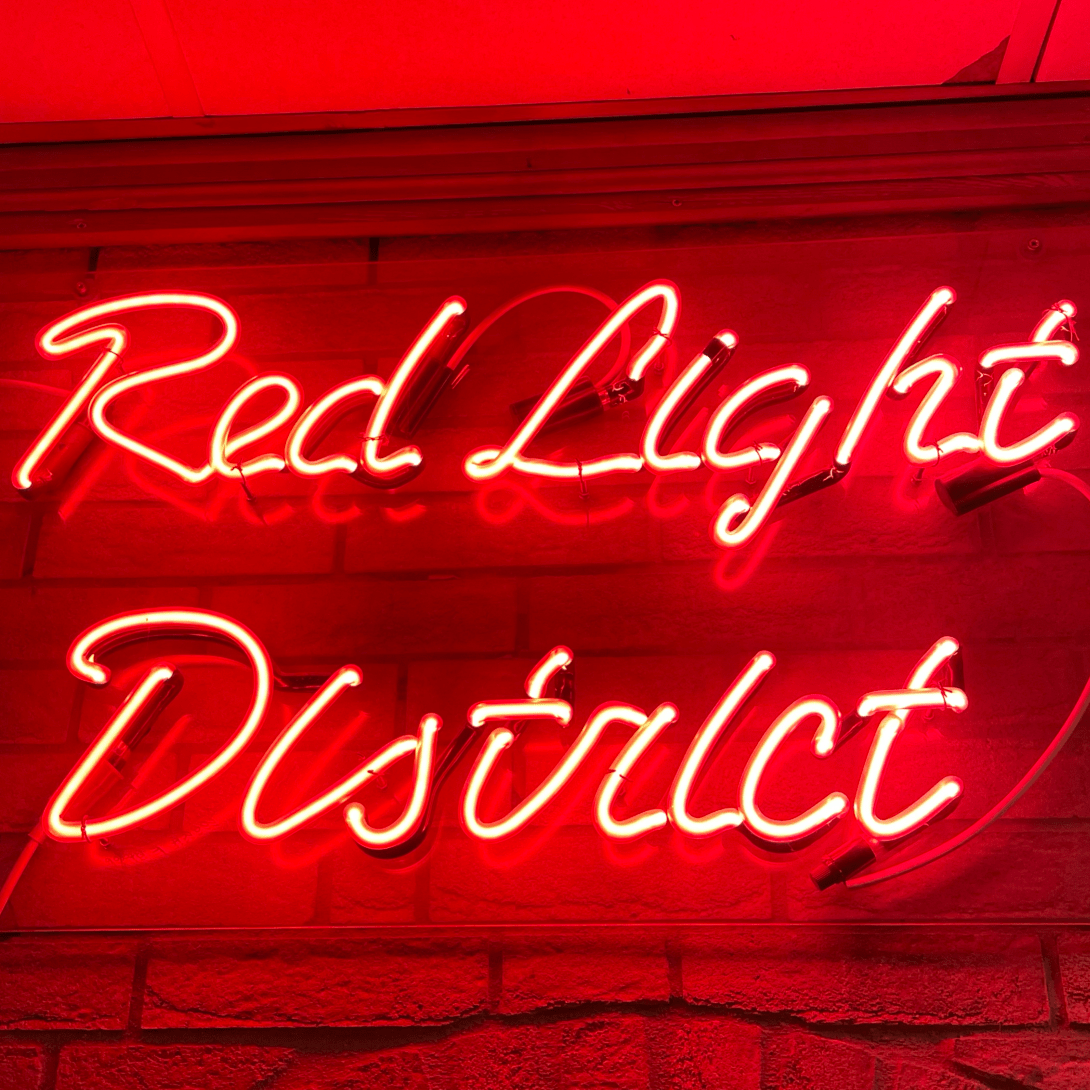
Words and Images by: Sarah Louise
You clutch your bag tighter, realising the sidewalks are beginning to crowd. Either side of the canal is neon-lit with signage worth a double take. The thick smell of marijuana constantly reminds you where you are.
READ MORE
Words and Artwork by: A. Louise
Sitting down to write this article feels Bradshawrian; reflecting on my love life as a 20-something white woman in the big city. Wow, how original!
READ MORE
Words and Artwork by: Edie Hopgood
As a fashion lover, in my eyes, there is no one more iconic in the fashion industry than the late Dame Vivienne Westwood.
READ MORE
Words by: Gitika Garg
Fashion remains an industry that touches the lives of all in one way or another. Put simply — everyone wears clothes and everyone deserves to feel confident and comfortable in them.
READ MORE
Words by: Shabnam Sidhu
“How can a body be safe when it’s only a body? How can we expect that no stranger will be tempted to torch an empty house?” (Lilian Fishman, Acts of Service)
READ MOREPhotography, Styling and Descriptions by: Ilanda Tran Editing by: Jackie Zhou
A bright outfit for a day at my internship. I kept it professional with a collared shirt and plain dress, and then added character with a cardigan I crocheted.
READ MORE
Words by: Felice Lok
Artwork by: Sydney Reyes
There are many things worth celebrating in life: birthdays, waking up in time to watch the sunrise, and of course, those who are making strides during their time at uni to make an impact.
READ MORE
Words and Artwork by: Saskia Mortarotti
‘Fangirls’ is an energetic, bright, and pop-filled musical with a hidden feminist undertone.
READ MORE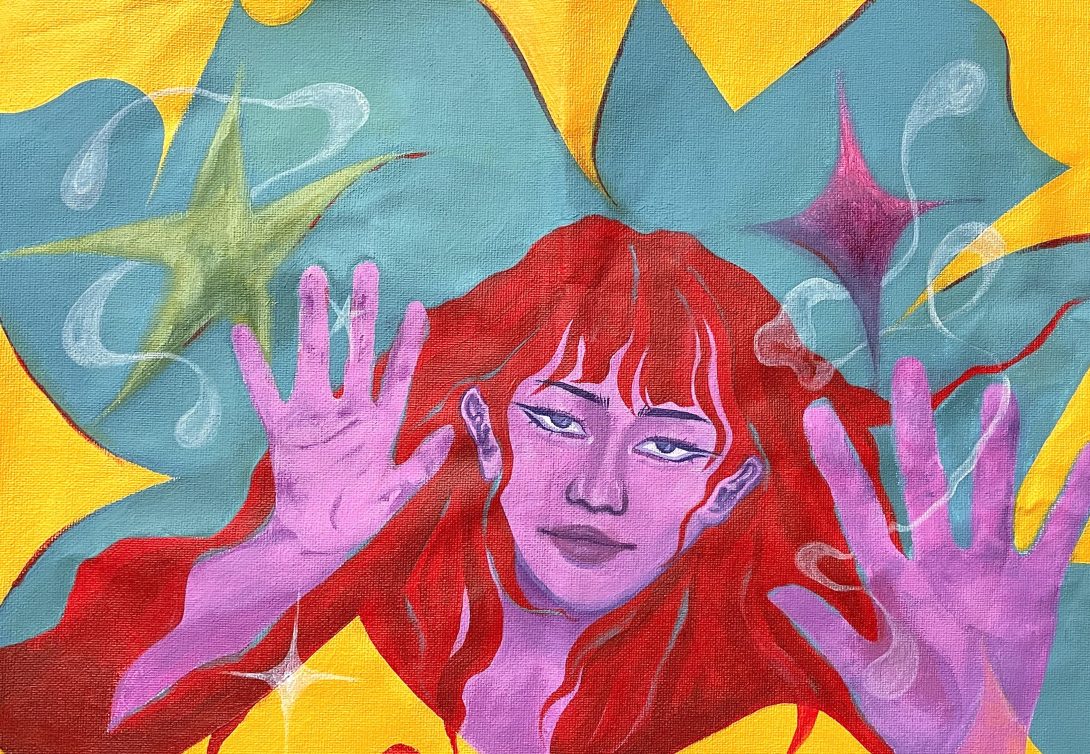
Artwork by: Jennifer HoangREAD MORE

Words by: Akira Kerr
I was sitting in Year 7 English. We were combined with another class, so there were close to 50 people in the room. The bell for the last period had just gone, and everyone was slowly making their way into the classroom.
READ MORE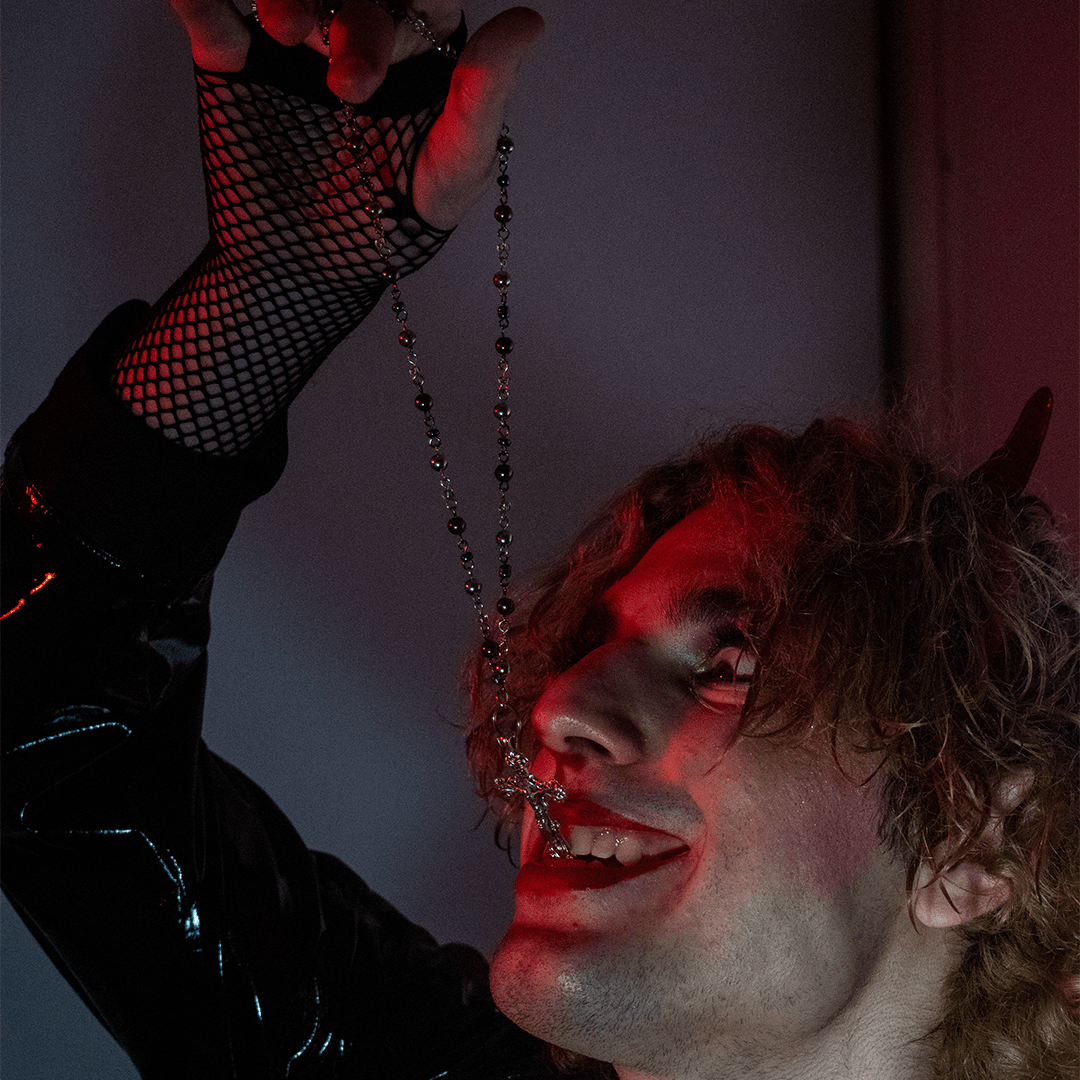
Words by: Kiera Eardley
Art by: Naiya Sornratanachai
“…as heads is tails / just call me Lucifer / ’cause I’m in need of some restraint”
‘Sympathy for the Devil’ (1968), The Rolling Stones
The Rolling Stones have courted controversy for their entire 60-year career. The British rock & roll band was marketed as the anti-establishment antidote to the saccharine Beatles — and they didn’t shy away from living up to that bad-boy image.
… Just Call Me Lucifer
The intersectionality of politics & the significance thereof
Words and photography by: Zayan Ismail
The term ‘intersectionality’ was first coined by Kimberlé Crenshaw, an African American woman, in her 1989 paper, ‘Demarginalising the Intersection of Race and Sex’. Intersectionality is a concept in social studies that refers to how different factors such as age, race, ability and class all interact with each other to bring about inequalities. The term still holds true today in a world that has begun to shift under the tides of drastic social change. It is not surprising that Kimberlé came up with the word based upon her own experience, nor is it surprising that the term has been misused, misconstrued and not properly credited over the years since. Her experiences are the sad reality for a woman and person of colour in academia, and it’s the same behaviour we witness in our communities which is built upon discriminatory views formed by our own biases. It is still exactly what Kimberlé warned us about and the marginalisation that she faced when she was immediately sidelined for being too critical and playing into ‘identity politics’. But don’t we all speak from our own experiences and knowledge? This question is where it all began, and how I first came across the conceptual understanding of intersectionality in my sociology classes.
… How Are You Any Different?
Words by: Gabriela Fannia
Art by: Sama Harris
Can you think of a day that you’re not a consumer of news? If you’re a regular browser of Facebook and Instagram (which I’m sure you are), you most definitely are consuming news stories every single day. You may or not may have noticed, but the way stories are presented to us through the digital-scape is… hectic, to say the least.
… Shaken, Not Stirred Esperanto Magazine