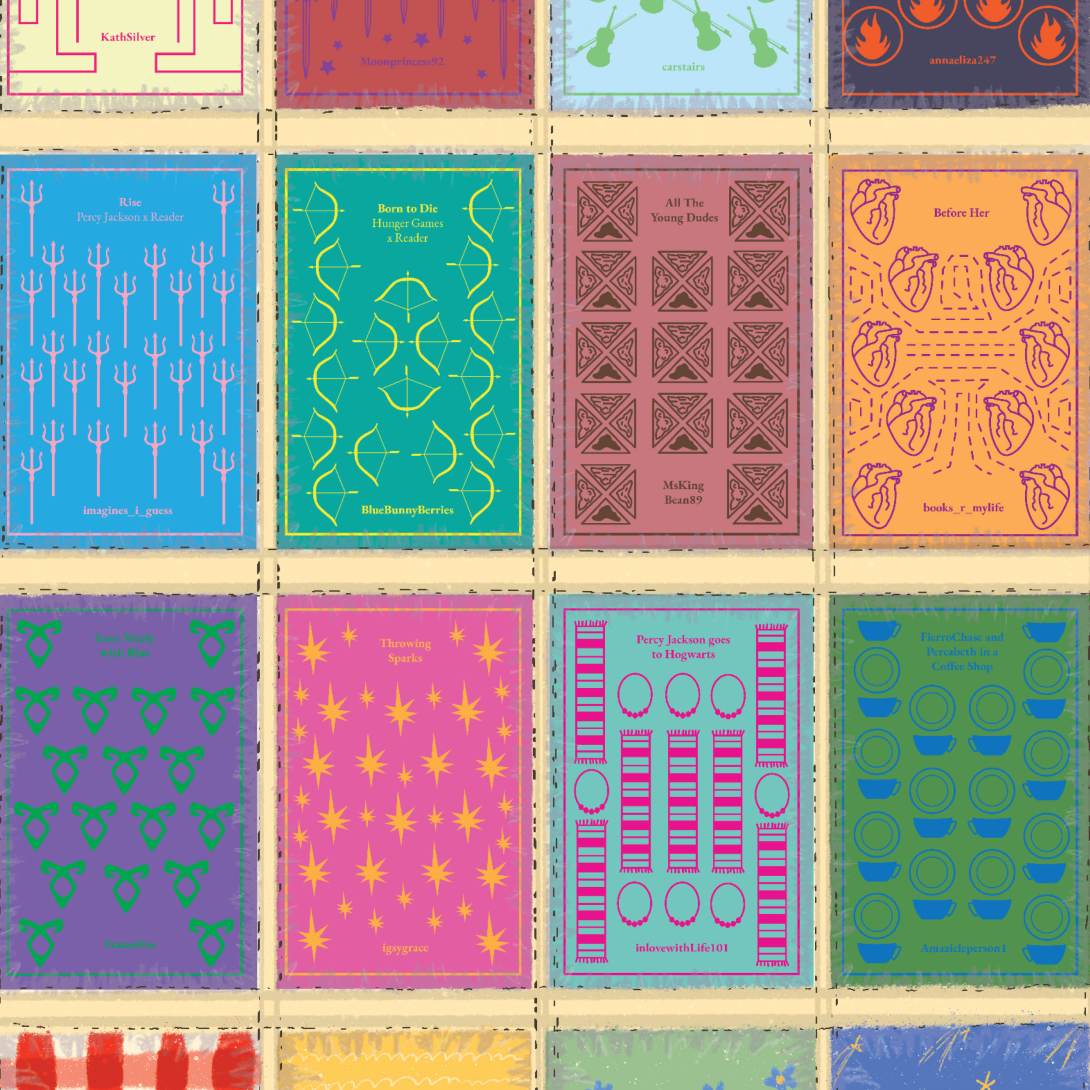
Words by: Anne Bui
Art by: Evelyn Johnson
I stare at my own to-be-read pile, tucked away in the corner of my cosy room, pondering over when I started losing interest in reading new books. Have I truly lost interest in books? Or have books simply not been appealing enough to catch my attention? I have no clue…
For many decades, storytelling has not merely been about writing letters on paper. There always have been and always will be storytellers. For centuries, storytellers have been determined to have their stories told, whether on cave walls, parchment paper or in video shorts. In all of its many forms, a mesmerising story has always been about one thing.
Their most prioritised job is to grab their readers’ attention. Entertain. And then educate. It likely means that if a book does not hold the attention of readers, it will be dropped and never picked up again.
The competition for a reader’s attention has become even more intense as we’ve entered the modern era in which reading-oriented sub-communities on social media like BookTok or Bookstagram are thriving. Authors understand that themes or motifs favoured by the audience tend to boost sales. As a result, they try to cram as many popular themes as they can into their work, writing books specifically around their fans’ favourite tropes. However, this limits the diversity of book genres and undermines the audience’s tastes. I have to admit, scrolling through the ‘most viewed’ section of BookTok can sometimes feel like wading through a monotonous story of ‘enemies to lovers’ or ‘fake dating’ which are pushed on trend exclusively.
To keep up with the fast-paced plot trends, some authors have no choice but to overuse firework moments in the plot and drag stories out over several instalments to pique consumer interest. Many readers, including myself, hardly feel satisfied being left high and dry at the end of a literary journey when there is no closure or proper ending. For example the cliff-hanger ending of Suzanne Collins’ ‘Catching Fire’. Not to mention how annoying it is when publishers continue rehashing the same storylines over and over to satiate the masses.
Whether we’d like to admit it or not, social media has influenced our tastes and how we consume content in general. Being spoon-fed an enormous amount of online information daily within tiny snippets of time, our attention span has become shorter. We want to keep scrolling and keep moving faster, constantly craving something newer and more exciting to capture our focus momentarily. Faced with endless videos and posts on social media about book recommendations, it’s no surprise that many of us are dealing with (FOMOOB), aka fear of missing out on books.
Confession time — I have been influenced by FOMOOB. I keep buying more books and my to-be-read list is piling up on my phone. Many times I have vowed to myself that no matter how much I hate a book I buy, I have to finish reading it, but alas, they are often left half-read. The idea of not finishing a book leaves me feeling guilty — but apparently, not guilty enough to finish it. This, of course, hasn’t stopped me from buying more books.
Despite all of this, I’m not mourning my unfortunate fate of living in the BookTok era.
So, back to the first question about my to-be-read pile: Have I lost interest in reading?
I can hardly tell.
But to me, reading, unlike listening to music or streaming a Netflix series, is all about the immersive experience in which you create images in your mind from the words taken off the page. So long as we are conscious about why we choose to read, whether it be to seek joy or gain knowledge, we can hold our imagined worlds through whatever passing trends go by. The attention economy will always be changing, but one thing is for sure, we will always love a good story.
 Esperanto Magazine